
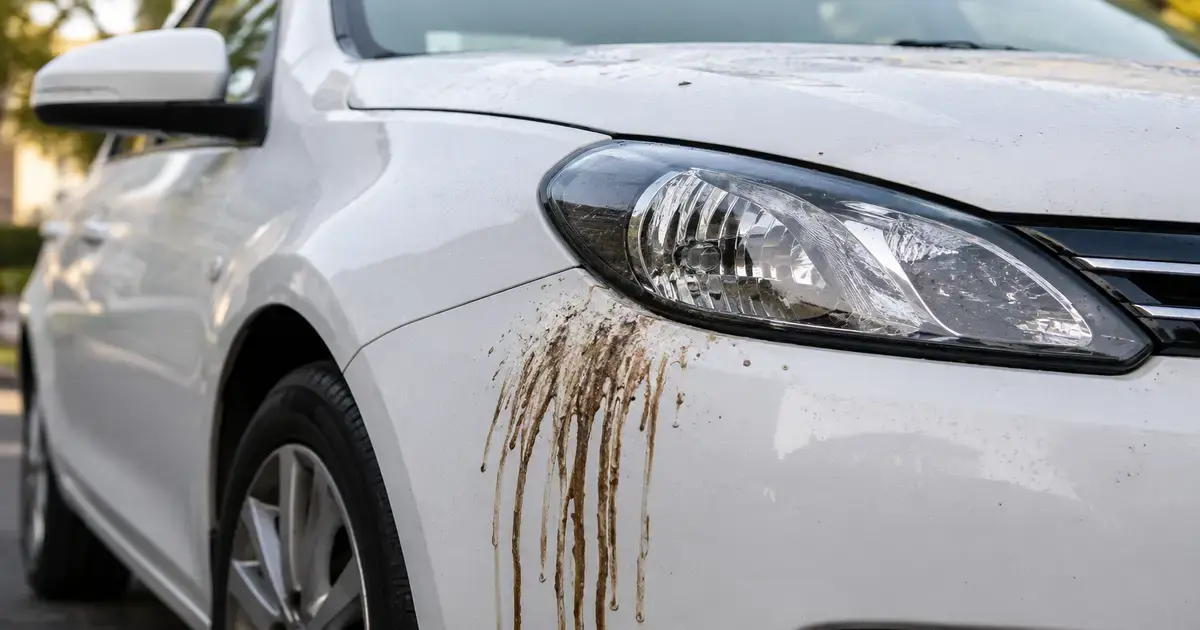
How to Remove Tree Sap From Car Without Damaging Paint
If you park anywhere near a pine, sycamore, or eucalyptus tree in Fresno, CA, you already know the frustration of finding sticky sap stuck to your hood the next morning. Knowing how to remove tree sap from car surfaces the right way is the difference between a quick five-minute fix and an expensive trip to a body shop for paint correction. This guide walks you through every safe method, from fresh drips to sap that has baked onto your clear coat for weeks under the Central Valley sun.
Quick Answer: How to Remove Tree Sap From Car Safely
The fastest safe way to remove tree sap from a car is to soften it with warm water and car shampoo, then wipe it away with a microfiber towel. If sap remains, dab it with diluted rubbing alcohol, wipe again, and finish with wax to protect the paint.
Here is the fast version for anyone standing in their driveway right now with sap on their hands.
6-step quick process:
- Park in the shade or wait until your car is cool to the touch.
- Soak the sap spot with warm water and a few drops of car shampoo for two to three minutes.
- Gently wipe with a microfiber towel, working from the outside of the spot inward.
- If sap remains, dab on rubbing alcohol with a soft cloth and let it sit for thirty seconds.
- Wipe again with a clean, damp microfiber towel until the area feels smooth.
- Rinse, dry, and apply a coat of wax or sealant to protect the paint.
Best products for fresh and hardened sap:
- Fresh sap: warm water, pH-neutral car shampoo, microfiber towels
- Hardened sap: isopropyl alcohol, dedicated tree sap remover spray, clay bar
- Glass only: plastic razor blade, glass safe cleaner
What to avoid: metal blades, dish soap as a daily wash product, scrubbing on hot panels, and harsh degreasers that strip wax.
This short process answers the most common search for how to remove tree sap from car paint, but the sections below go deeper into why sap behaves the way it does in Fresno’s climate and how to handle every surface on your vehicle.
Why Tree Sap Can Damage Your Car’s Paint
Tree sap is a sticky resin made of organic acids and natural sugars that trees release to seal wounds and ward off insects. It is not simple dirt or pollen. When sap lands on a car, those acids begin interacting with the clear coat almost immediately. Left alone, sap hardens into a shell that bonds tightly with the surface, sometimes etching a permanent shadow into the paint even after the sap itself is gone.
What Happens When Tree Sap Sits on Automotive Paint
The longer sap sits, the more it shrinks and hardens, pulling at the clear coat as it cures. This creates microscopic stress points. Over time, UV exposure breaks the sap down further, but it also bakes it deeper into the paint’s pores. That is why a spot that looks minor on day one can leave a noticeable mark by day ten.
How Fresno Heat and UV Exposure Make Sap Harder to Remove
Fresno regularly sees summer temperatures above 100 degrees, and that heat acts like an oven on sap sitting on metal panels. A hood parked under the sun near Woodward Park or along Blackstone Avenue can reach surface temperatures well beyond the air temperature. This accelerates the hardening process, which means car owners in Fresno often deal with sap that turns rock hard within hours rather than days, unlike cooler coastal climates where sap stays pliable longer.
How to Remove Tree Sap From Car Paint Without Damaging the Clear Coat
This is the core of how to remove tree sap from car paint without creating swirl marks or dulling the finish. Each method below ranges from gentle to more intensive, so start at the top and only move down the list if needed.
Method 1: Warm Water and Car Shampoo
This is always the first step. Soak a microfiber towel in warm water mixed with a pH-balanced car shampoo, then lay it over the sap for several minutes to soften it. Fresh sap often lifts away with nothing more than this soak and a gentle wipe.
Method 2: Rubbing Alcohol (Isopropyl Alcohol)
Isopropyl alcohol diluted with water, roughly one part alcohol to one part water, breaks down sap without stripping paint when used briefly and rinsed promptly. Apply with a soft cloth, let it dwell for thirty seconds, then wipe and rinse. Never let alcohol sit on paint for extended periods since it can affect wax and sealant layers.
Method 3: Dedicated Tree Sap Removers
Purpose-built sap remover sprays are formulated specifically to dissolve resin without harsh solvents that can dull paint. These are the safest middle ground between mild soap and aggressive chemicals, and most detailing supply stores in Fresno carry at least one trusted brand.
Method 4: Clay Bar Treatment for Stubborn Residue
For sap that has bonded to the paint but is not fully hardened into a raised bump, a clay bar lubricated with detail spray will glide over the surface and remove embedded contaminants from the clear coat while avoiding surface scratches. This is also one of the most effective fixes for sap residue left behind after most of the sap is removed.
Method 5: Professional Detailing for Severe Sap Contamination
When sap has been sitting for weeks or has etched into the clear coat, it is time to call in a professional for professional exterior detailing. A trained detailer can assess whether polishing or full paint correction is needed. If you are in the area, professional auto detailing in Fresno can evaluate the damage and restore the finish safely.
How to Remove Tree Sap From Car Window and Side Glass
How do you remove tree sap from a car window? Soften it with warm water or ammonia-based glass cleaner, then lift it off with a plastic razor blade kept flat against wet glass. Glass behaves differently than paint, so a slightly different approach is needed.
When Plastic Razor Blades Are Safe to Use
A plastic razor blade, never metal, can be used on glass to gently lift hardened sap. Keep the blade flat against the glass, use light pressure, and always keep the surface wet to avoid micro scratching.
Best Products for Removing Tree Sap From Glass
- Ammonia-based glass cleaner for sap that has not fully hardened
- Isopropyl alcohol for stubborn spots
- Plastic scraper for raised, hardened sap
- Microfiber towel for final polish
How to Remove Tree Sap From Car Windshield Without Scratching It
Can you get tree sap off a windshield without scratching it? Yes, by soaking it with warm water first, then using a glass-safe sap remover and a plastic blade only on wet glass. The windshield deserves its own attention since visibility and wiper performance depend on a clean surface.
Safe Windshield Cleaning Methods
Soak the sap first with warm water, then apply a glass-safe sap remover. Avoid using paint-focused products that contain waxes, since these can leave a film that smears under wipers. A plastic blade used carefully on wet glass is effective for raised sap spots near the wiper arms.
Mistakes to Avoid on Automotive Glass
- Using metal blades or razor scrapers
- Scrubbing dry glass, which increases scratch risk
- Using ammonia products on tinted windows
How to Get Tree Sap Off Car After It Dries
How do you get dried tree sap off a car? Soften it with gentle heat from a hair dryer, then break it down with diluted rubbing alcohol before wiping it away. Knowing how to get tree sap off car surfaces after it has cured for days requires patience rather than force.
Removing Hardened Tree Sap That Has Been Sitting for Days or Weeks
Apply heat using a hair dryer on a low setting from about twelve inches away to soften the resin, then follow with the alcohol method described earlier. Heat combined with chemical breakdown is far safer than physical scraping.
What to Do If Tree Sap Leaves Stains Behind
If a faint shadow remains after the sap is gone, a light machine polish can often restore the finish. If the stain looks etched or cloudy even after polishing, that indicates clear coat damage that may need professional paint correction.
How to Remove Tree Sap From Car Hood and Other Horizontal Panels
Why does sap collect more on the hood? Hoods, roofs, and trunk lids sit directly beneath branches and catch falling sap and debris that vertical panels rarely see.
Why Hoods and Roofs Usually Collect More Sap
Horizontal panels catch falling sap directly, while vertical panels like doors rarely see the same buildup. This is why how to remove tree sap from car hood searches are so common among Fresno drivers parked near mature trees in neighborhoods like Tower District or Fig Garden.
Special Considerations for Dark-Colored Vehicles
Dark paint absorbs more heat, which speeds up sap hardening and also makes swirl marks more visible. Work in the shade and use lighter pressure on black or navy vehicles.
How to Remove Tree Sap From Cars With Ceramic Coating
Does Ceramic Coating Protect Against Tree Sap?
Yes. Ceramic coating creates a hydrophobic, chemically resistant layer that prevents sap from bonding directly to the clear coat. Sap still lands on the surface, but it sits on top of the coating rather than soaking into the paint.
Why Sap Is Easier to Remove From Protected Paint
Because the coating fills in microscopic pores, sap simply wipes away with warm water in most cases. Vehicles with ceramic coating from a shop offering paint correction techniques rarely see permanent sap staining.
Tree Sap vs Aphid Honeydew vs Bird Droppings
How to Tell the Difference
Tree sap is clear to amber and drips in small round spots. Aphid honeydew is thinner and spreads in a wider, slightly cloudy film. Bird droppings are opaque white or gray and far more corrosive due to uric acid. These three contaminants are often mistaken for one another but require different cleaning approaches.
Why Many Car Owners Mistake Honeydew for Tree Sap
Both honeydew and sap fall from trees and feel sticky, but honeydew comes from aphids feeding on leaves above the vehicle, not the tree itself. This is common under eucalyptus trees throughout Fresno, where aphid activity peaks in late spring.
Best Tree Sap Removal Methods Compared
| Method | Fresh Sap | Hardened Sap | Paint Safe | Difficulty |
|---|---|---|---|---|
| Warm Water and Shampoo | Excellent | Poor | Yes | Easy |
| Rubbing Alcohol | Good | Good | Yes, if rinsed | Easy |
| Hand Sanitizer | Good | Fair | Yes | Easy |
| WD-40 | Fair | Good | Use with caution | Moderate |
| Sap Remover | Excellent | Excellent | Yes | Easy |
| Clay Bar | Good | Excellent | Yes | Moderate |
| Professional Detailing | Excellent | Excellent | Yes | Best results |
Common Mistakes That Can Damage Your Paint During Sap Removal
Using Metal Razor Blades
Metal blades cut through clear coat almost instantly. Only plastic blades belong anywhere near a vehicle’s paint or glass.
Scrubbing Too Aggressively
Aggressive scrubbing introduces fine swirl marks, which become more visible under direct sunlight, especially on darker vehicles.
Using Harsh Solvents Incorrectly
Solvents like acetone or paint thinner can strip wax, dull clear coat, and in some cases discolor plastic trim nearby.
Removing Sap on Hot Paint
Working on a hot panel causes any liquid product to evaporate too quickly, reducing effectiveness and increasing friction during wiping.
Trees Commonly Responsible for Tree Sap on Fresno Vehicles
Pine Trees
Pine sap is thick, resinous, and among the hardest to remove once cured, common in older Fresno neighborhoods with mature landscaping.
Oak Trees
Oak sap is less common but still drips during stress periods, often paired with falling acorns that can chip paint.
Sycamore Trees
Sycamores, planted widely along Fresno streets and parks, drop a lighter sap that spreads easily across hoods and windshields.
Eucalyptus Trees
Eucalyptus trees produce both sap and aphid honeydew, making vehicles parked beneath them prone to a sticky combination that confuses many owners.
How Long Can Tree Sap Stay on a Car Before Causing Damage?
| Time Frame | Risk Level |
|---|---|
| Same Day | Low |
| 3-7 Days | Moderate |
| 1-2 Weeks | High |
| Several Months | Very High |
What to Do After Removing Tree Sap
Wash the Area Thoroughly
Always rinse the treated spot with clean water and a gentle soap to remove any leftover alcohol or remover residue.
Apply Wax or Paint Sealant
A fresh layer of wax or sealant rebuilds the protective barrier and makes the next sap encounter far easier to clean.
When Paint Correction May Be Necessary
If a dull patch or faint ring remains after washing and waxing, that area likely needs polishing to fully blend back into the surrounding finish.
When DIY Tree Sap Removal Is No Longer Enough
Signs You Need Professional Detailing
- Sap has been present for more than two weeks
- The spot feels raised or textured even after washing
- Multiple sap spots cover a large panel area
Signs of Clear Coat Etching
A visible ring or shadow that does not buff out with light polishing usually indicates the clear coat has been chemically altered and needs correction.
Signs of Permanent Paint Staining
If the discoloration remains after a machine polish, this points to staining that has reached beneath the clear coat layer, often requiring deeper paint correction work to address common paint contamination issues alongside the sap damage.
Frequently Asked Questions
How do you remove tree sap from a car without damaging paint?
Soak the spot with warm water and car shampoo, then use diluted rubbing alcohol only if sap remains, and finish with a rinse and a coat of wax.
What is the best thing to remove tree sap from a car?
A dedicated tree sap remover spray is the best product because it is formulated to break down resin without harming clear coat.
What removes sap off your car?
Warm water and car shampoo, isopropyl alcohol, hand sanitizer, dedicated sap removers, and clay bar treatments all remove sap depending on how long it has been sitting.
Does WD-40 remove tree sap?
Yes, WD-40 dissolves tree sap, but it must be washed off right away or it can leave an oily residue that affects wax adhesion.
Does Dawn dish soap remove sap from cars?
Dawn removes sap in a pinch, but it strips wax and protective coatings, so it should only be used occasionally rather than as a regular wash soap.
How long can tree sap sit on a car before it causes damage?
Tree sap is low risk if removed the same day, but risk rises sharply after three days and becomes high after one to two weeks.
Final Thoughts on How to Remove Tree Sap From Car Safely
Key Takeaways
To remove tree sap from a car safely: soften it with warm water and soap, escalate to diluted alcohol or a dedicated sap remover only if needed, and always finish with wax or sealant. Start gentle, escalate only when needed, and always finish with protection.
Importance of Quick Removal
The longer sap sits, especially under Fresno’s intense summer sun, the harder it becomes to remove and the higher the risk of lasting damage.
Preventing Future Sap Damage
Park away from trees when possible, keep a coat of wax or ceramic protection on your paint, and check your vehicle regularly during spring and summer when sap activity peaks across Fresno.
Professional Help When Needed
When sap leaves more than a sticky mess, professional detailing can restore your paint’s clarity and protect it for the seasons ahead.