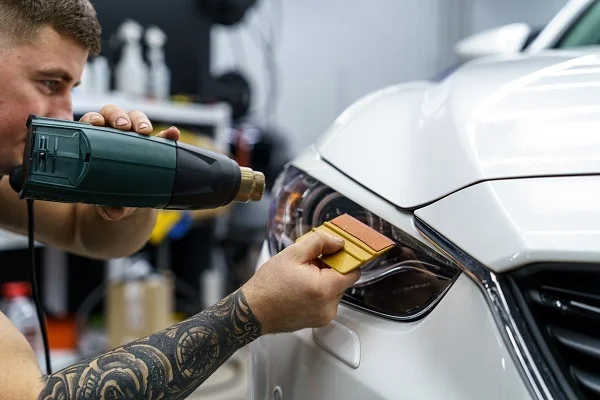

Hard Water Spots on Cars in Fresno: Why They Ruin Your Paint (And How to Fix Them)
You wash your vehicle. The paint looks clean. Then the sun hits the surface, and strange white circles appear. Many Fresno drivers deal with this problem every week. Hard water spots on car surfaces are common in the Central Valley because the local water contains heavy minerals. These deposits may look harmless at first. Over time, they can damage paint, glass, and trim if ignored.
This guide explains what causes water spots, why Fresno vehicles suffer more damage, and the safest methods for water spot removal. You will also learn how professional detailers prevent the problem in the first place.
What Are Hard Water Spots on Car Surfaces?
Hard water spots appear when mineral-rich water dries on a vehicle. Fresno tap water often contains calcium, magnesium, and silica. When water evaporates, these minerals remain on the paint or glass.
At first, the deposits appear as faint rings. After repeated exposure, they harden and bond with the clear coat.
Key characteristics of mineral spots include:
• Chalky white rings
• Rough texture when touched
• Spots that remain after washing
• Visible marks in direct sunlight
These marks can affect any part of the vehicle.
Common areas include:
• hood and roof
• mirrors and windows
• door panels
• windshield edges
How Hard Water Spots on Car Paint Form
Water droplets act like tiny containers filled with minerals. When the sun heats the surface, evaporation begins. As water disappears, the minerals remain behind.
Over time, those minerals create mineral deposits that attach to the clear coat layer. If the vehicle sits in direct sunlight near places like Woodward Park or parking lots around River Park Shopping Center, evaporation happens quickly, and the deposits become concentrated.
Key elements involved in this process:
• calcium buildup
• magnesium minerals
• mineral deposits
• evaporation of water droplets
The longer the minerals stay on the surface, the more damage they can cause.
Why Hard Water Spots on Car Glass and Windows Are So Visible
Glass shows water spots more clearly than paint. The smooth surface reflects light directly. Even small mineral deposits scatter light across the window.
This is why drivers often notice hard water spots on car windows or the windshield first. The glare becomes obvious at night while driving on highways like CA-41 or CA-99.
Spots on glass create:
• light distortion
• cloudy patches
• reduced nighttime visibility
Why Hard Water Spots on Car Paint and Glass Can Damage Your Vehicle
Minerals do more than create ugly marks. They slowly attack the clear coat. Clear coat protects the colored paint layer beneath it.
A modern automotive paint system usually contains three layers.
| Layer | Purpose |
| Clear Coat | Protective outer layer |
| Base Coat | Vehicle color |
| Primer | Adhesion to metal |
When mineral deposits remain on the clear coat, chemical reactions begin. These reactions cause small pits in the surface.
How Heat and Sunlight Accelerate Hard Water Damage
Fresno summers often reach over 100°F. When a vehicle sits outside near Fresno State Stadium or Downtown Fresno parking lots, sunlight speeds up evaporation.
The faster water evaporates, the more concentrated the minerals become.
This creates stronger mineral deposits that bond quickly with the paint.
When Hard Water Spots Become Permanent Etching
If minerals remain on the surface for weeks, they can create microscopic pits called etching. These marks cannot be removed with simple washing.
Signs of etching include:
• dull patches in the paint
• permanent rings visible in sunlight
• rough surface texture
Why Fresno Cars Are More Likely to Get Hard Water Damage
Many drivers in Fresno notice water spots after washing their cars at home. This happens because Central Valley water contains significant mineral content.
This local factor leads to frequent Fresno hard water damage.
Three local conditions contribute to the problem.
• mineral-heavy groundwater
• strong summer heat
• irrigation systems in residential neighborhoods
How Fresno’s Water Quality Contributes to Mineral Deposits
Much of Fresno’s water supply comes from underground aquifers. These aquifers contain dissolved calcium and magnesium.
When residents wash their vehicles with hose water, those minerals remain on the vehicle surface.
This is why many cars parked near neighborhoods like Fig Garden or Sunnyside develop water spots quickly.
Why Sprinkler Systems Cause Hard Water Spots on Cars
Lawn irrigation systems often spray mineral-rich water onto nearby vehicles.
When that water dries under the sun, thick deposits form.
Many vehicles parked near parks like Oso de Oro Park or residential lawns develop severe spotting because sprinkler water repeatedly hits the same surfaces.
Common Causes of Hard Water Spots on Cars
Many drivers assume washing mistakes cause water spots. Washing is only one cause.
Other real-world sources include:
• lawn sprinklers
• rainwater evaporation
• washing with hard tap water
• automatic car washes
• morning dew drying in sunlight
• water left on paint after rinsing
How Washing Mistakes Create Hard Water Spots on Car Paint
A common mistake happens when drivers wash a vehicle under direct sunlight. The water dries before it can be wiped off.
When water evaporates quickly, minerals stay behind and form hard water spots on car paint.
Why Letting a Car Air Dry Causes Water Spots
Allowing a car to air dry may seem harmless. In reality, it almost guarantees mineral stains.
Every droplet contains dissolved minerals. When those droplets dry naturally, they leave visible rings.
Types of Hard Water Spots on Car Paint
Detailers classify water spots by severity. Understanding the type helps determine the best solution.
Surface Mineral Deposits
These spots sit on top of the paint.
Characteristics:
• light chalky marks
• smooth surface
• removable with cleaning products
Bonded Mineral Water Spots
Minerals begin attaching to the clear coat.
Characteristics:
• rough texture
• visible rings
• require stronger water spot removal methods
Etched Hard Water Spots on Car Paint
This is the most severe type.
Characteristics:
• permanent rings
• dull patches
• requires polishing or paint correction
Severe mineral etching often requires professional paint correction in Fresno to safely remove the damage and restore the clear coat.
How to Diagnose Hard Water Spots on Car Paint and Glass
Before attempting removal, determine the severity of the spots.
Simple diagnostic checklist:
• Use a moist towel to clean the spot.
• inspect under sunlight
• feel the surface texture
Signs of Hard Water Spots on Car Windows and Windshield
Drivers often notice hard water spots on car windshield surfaces first.
Look for:
• white circles on glass
• glare when the windscreen is struck by headlights
• streaks that remain after washing
How to Determine the Permanence of Water Spots
If spots remain after washing and vinegar treatment, they may be etched into the clear coat.
Professional detailing may be required.
How to Remove Hard Water Spots Car Owners Can Handle at Home
Some mineral spots can be removed safely with simple methods. The least aggressive remedy should always be used first.
Step 1 – Wash the Car to Remove Surface Dirt
Begin with a pH-balanced automotive shampoo.
This removes dust and grime before attempting deeper water spot removal.
Step 2 – Vinegar Solution for Light Mineral Deposits
Vinegar contains acetic acid, which dissolves calcium deposits.
Mix equal parts vinegar and water. Apply using a microfiber towel. Before wiping, let it sit for a minute.
This method can remove hard water spots car owners commonly see after washing.
Step 3 – Dedicated Water Spot Removal Products
Professional detailing products are designed to dissolve mineral deposits safely.
These products break down calcium and magnesium without damaging paint when used correctly.
Step 4 – Clay Bar Treatment for Bonded Contaminants
Clay bars remove contaminants attached to the paint surface.
This step helps remove stubborn mineral buildup.
Step 5 – Polishing Etched Hard Water Spots on Car Paint
If spots have etched the clear coat, polishing may be required.
A polishing compound removes a thin layer of clear coat and restores smoothness.
Machine polishing removes mineral etching but must be done carefully to avoid new defects like swirl marks. Learn more in our guide on how to remove swirl marks from black car paint.
How to Remove Hard Water Spots on Car Windows and Windshield
Glass surfaces require slightly different treatment methods.
Secondary keywords include:
• hard water spots on car windows
• hard water spots on car glass
• hard water spots on car windows removal
Best Methods for Hard Water Spots on Car Windows Removal
Effective techniques include:
• vinegar cleaning solution
• glass polish compounds
• mild acidic cleaners
These products dissolve mineral deposits without damaging glass.
Safe Tools for Cleaning Hard Water Spots on Car Glass
Recommended tools include:
• microfiber towels
• glass polishing pads
• automotive glass cleaners
Steer clear of abrasive pads that could cause surface scratches.
Expert Water Spot Removal for Serious Hard Water Damage
Some vehicles develop heavy mineral buildup that cannot be removed at home.
Professional detailers use specialized tools and compounds to restore the paint. Professional polishing can restore damaged clear coat in many cases. In fact, similar correction techniques are used when car detailing removes scratches from paint.
When DIY Removal Methods Stop Working
Professional help is recommended when:
• spots cover the entire vehicle
• etched rings remain after cleaning
• The paint looks dull even after washing
How Professional Detailers Remove Hard Water Spots on Car Paint
Detailers may perform:
• machine polishing
• paint correction
• mineral-dissolving chemical treatments
These methods restore gloss and remove etched deposits.
How to Prevent Hard Water Spots on Cars
Prevention is easier than removal. Following a seasonal car detailing schedule helps Fresno drivers keep mineral deposits from building up on their vehicle over time.
Drying Techniques That Prevent Hard Water Spots
Always dry the vehicle immediately after rinsing.
Use a large microfiber drying towel to absorb water before evaporation begins.
Using Filtered or Deionized Water for Car Washing
Professional detailers often use deionized water systems.
These systems remove minerals from water so no deposits remain after drying.
Protective Coatings That Reduce Water Spot Damage
Paint protection products make it harder for minerals to bond with the surface.
Examples include:
• ceramic coatings
• paint sealants
• wax layers
Mistakes That Make Hard Water Spots Worse
Many drivers accidentally make the problem worse.
Avoid these mistakes:
• washing in direct sunlight
• aggressive scrubbing of mineral spots
• using harsh chemicals not designed for cars
• skipping the drying step after rinsing
Frequently Asked Questions About Hard Water Spots on Cars
Can Hard Water Spots Permanently Damage Car Paint?
Yes. If mineral deposits remain on the surface long enough, they can etch into the clear coat and create permanent marks.
Can Vinegar Remove Hard Water Spots From Cars?
Vinegar works well for light mineral deposits but may not remove etched spots.
Do Ceramic Coatings Prevent Water Spots?
Ceramic coatings do not stop water spots entirely. They make them easier to remove and reduce bonding.
How Fast Do Hard Water Spots Damage Paint?
In extreme heat, mineral deposits can begin bonding within hours.
Are Water Spots Bad for Car Windows and Windshields?
Yes. Hard water spots on car glass can cause glare and reduce visibility at night.
Final Thoughts: Protecting Your Car From Hard Water Damage
Water spots are a common issue for drivers across Fresno due to mineral-rich water and extreme summer heat. If you want to keep your vehicle looking its best year-round, explore the detailing services offered by Fresno Fiz Detailing and learn how professional care can protect your paint from long-term damage.
The best strategy combines prevention and proper cleaning methods. Dry your vehicle quickly, use the right detailing products, and protect the paint with coatings or sealants.
If severe mineral deposits remain, professional detailing services can restore the finish and safely remove stubborn water spots before they permanently damage the clear coat.