
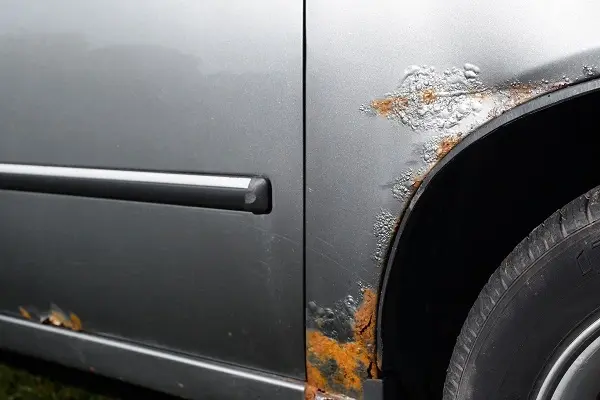
Why Does My Car’s Paint Look Dull and Faded?
If you’ve noticed that your car’s finish no longer has that vibrant, showroom shine, you are not alone. Faded, chalky, or hazy paint is one of the most common cosmetic issues vehicle owners face. Understanding why your car’s paint looks dull is the first step toward restoring its original gloss and depth.
Paint deterioration is rarely an overnight process. It usually results from cumulative exposure to environmental factors, especially in areas with intense summer heat and prolonged sun exposure like the Central Valley. In this guide, we will break down the primary causes of faded paint, how to diagnose the specific problem affecting your vehicle, and when professional intervention is the right choice.
Common Causes of Dull or Faded Car Paint
Your vehicle’s paint system is composed of several layers, with the topmost clear coat acting as the primary defense against the elements. When that clear coat is compromised, the paint underneath begins to look flat and lifeless. The most common culprits include:
1. Oxidation and UV Damage
Ultraviolet (UV) radiation from the sun is the leading cause of paint fading. Over time, UV rays break down the chemical bonds in the clear coat. As the clear coat degrades, oxygen mixes with the paint in a process called oxidation. This creates the classic “chalky” or white, hazy appearance most visible on the hood, roof, and trunk. Darker vehicles tend to absorb more heat and show oxidation much faster than lighter colors.
2. Hard Water and Mineral Deposits
If your car is frequently exposed to hard water from sprinklers or improper washing, mineral deposits (primarily calcium and magnesium) will bond to the paint. As the water evaporates in the sun, these minerals are left behind, etching into the clear coat and creating a rough, dull texture across the surface.
3. Swirl Marks and Micro-Marring
Sometimes the paint isn’t chemically degraded; it is simply scratched. Improper washing techniques, automatic tunnel washes with abrasive brushes, or wiping a dry, dusty car will cover the clear coat in microscopic scratches. These “swirl marks” scatter light rather than reflecting it evenly, making the paint appear dull and muted, especially in direct sunlight. For a deeper look at this specific issue, read our guide on removing swirl marks.
4. Environmental Contamination
Industrial fallout, tree sap, bug splatter, and agricultural dust can bond tightly to the exterior. If not washed off promptly, this layer of contamination masks the paint’s natural shine, creating a dull film that normal car shampoo cannot remove.
Diagnostic Guide: What’s Wrong With Your Paint?
Before attempting to fix dull paint, you must diagnose the specific defect. Try these simple tests after thoroughly washing and drying the vehicle:
- The Baggie Test: Put your hand inside a thin plastic sandwich bag and lightly glide your fingers over the clean paint. If it feels rough like fine sandpaper, you are dealing with bonded environmental contamination. This can usually be fixed with a proper clay bar treatment.
- The Sunlight Test: Inspect the dull area under direct, harsh sunlight or a bright LED flashlight. If you see thousands of tiny, circular scratches resembling a spiderweb, the dullness is caused by swirl marks.
- The Water Test: Spray a little water onto the dull, chalky area. If the paint instantly looks vibrant and glossy while wet, but turns chalky again as it dries, you are dealing with clear coat oxidation.
- The Peeling Test: If the clear coat looks like it is flaking, bubbling, or peeling away like old skin, the clear coat has completely failed. Unfortunately, no amount of polishing can fix this; the affected panels will need to be repainted at a body shop.
When to Seek Professional Paint Correction
While basic surface contamination can be resolved at home with a clay bar and a quality wax, deeper issues require a more specialized approach.
If your diagnostic test revealed oxidation, heavy swirl marks, or water spot etching, the damage exists below the surface of the clear coat. Restoring the gloss requires physically removing a microscopic layer of the damaged clear coat to reveal the fresh, healthy layer underneath.
This process is known as professional paint correction. Using specialized machine polishers, various cutting compounds, and specific pad combinations, a professional detailer can safely level the clear coat, permanently removing the defects that cause the dull appearance rather than just temporarily filling them in with wax.
Preventing Dull Paint and Long-Term Protection
Once your paint’s gloss has been restored, protecting that finish is vital—especially in environments with intense summer heat and agricultural dust.
- Wash Safely: Use a pH-neutral car shampoo, a clean microfiber wash mitt, and the two-bucket wash method to avoid reintroducing swirl marks.
- Remove Contaminants Quickly: Clean bird droppings, tree sap, and bug splatter within 48 hours before they have a chance to etch into the paint.
- Upgrade Your Protection: Traditional carnauba waxes offer great shine but melt away quickly in high temperatures. For robust, long-term UV protection and chemical resistance, consider investing in a professional ceramic coating. This applies a durable, hydrophobic layer over your clear coat that makes future maintenance significantly easier.
FAQs About Faded Car Paint
Can I use rubbing compound by hand to remove oxidation?
While it is technically possible to remove very light oxidation by hand, it is incredibly labor-intensive and rarely yields an even, swirl-free finish. Machine polishing is highly recommended for consistent results.
Why is the paint on my roof and hood fading faster than the doors?
The horizontal surfaces of your vehicle (hood, roof, and trunk) take the most direct, intense UV radiation from the sun. They also bear the brunt of standing water and settling dust, making them the first areas to suffer clear coat failure.
Will a car wash remove oxidation?
No. Standard car washing only removes loose surface dirt. Oxidation is a chemical degradation of the paint itself. Removing it requires mechanical abrasion via claying, compounding, and polishing.
Summary
Dull and faded paint is a natural result of environmental exposure, but it doesn’t have to be permanent. By accurately diagnosing whether the issue is surface contamination, swirl marks, or oxidation, you can take the right steps to restore your vehicle’s gloss. If washing and decontamination don’t restore the finish, the defects may be within the clear coat. Learn how professional paint correction can safely address these correctable defects and bring back your car’s true color.